All Categories
Featured


How to Leverage Market Research for Success
Table of Contents
The policy enhances regional work however limitations service providers' ability to scale quickly across numerous GCC jurisdictions, tempering the total development trajectory of the GCC managed services market. By Managed Service Type: Security Leads, Cloud AcceleratesManaged Security Services contributed USD 2.91 billion, equal to 25.62% of the GCC handled services market share in 2025, underlining demand for 24/7 threat monitoring and event action.
Managed Cloud Providers, while representing a smaller sized earnings base, are growing at 13.65% CAGR as hyperscale expansions require governance, optimization, and FinOps know-how. The sector take advantage of sovereign-cloud rollouts and low-latency AI workload requirements. Infrastructure, network, and disaster-recovery offerings remain essential for legacy modernization and regulatory compliance. 5G rollouts by e & and stc fuel managed network need, while national continuity guidelines boost uptake of disaster-recovery-as-a-service.
Collectively, these patterns strengthen a varied revenue mix that safeguards the GCC handled services market versus cyclicality. By End-user Vertical: BFSI Supremacy, Health care SurgeThe BFSI sector created USD 2.43 billion, equivalent to 21.45% of the overall GCC handled services market size in 2025, reflecting stringent governance standards and real-time transaction-processing needs.
Healthcare grows fastest at 13.36% CAGR as electronic health records and telemedicine platforms necessitate HIPAA-style data protection alongside AI-enabled diagnostics. Federal government firms and energy majors continue to outsource specialized workloads, while retail and production utilize cloud-native MSPs for omnichannel and supply-chain optimization. Managed-service penetration remains unequal throughout verticals, but AI automation and cyber-insurance requireds create cross-sector tailwinds.
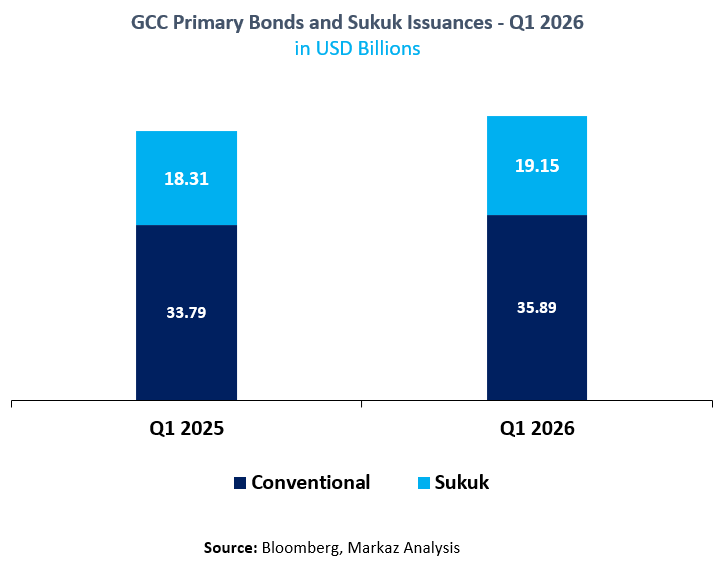
These dynamic assistances sustained double-digit growth throughout the GCC handled services market. By Service Shipment Design: Remote Supremacy, Hybrid GrowthRemote delivery represented 43.10% of 2025 spending, reflecting tested cost efficiency and fully grown tooling for remote monitoring, patching, and help-desk assistance. Post-pandemic normalization keeps remote assistance mainstream, but data-sovereignty and latency needs have raised adoption of the Hybrid Model, which is projected to grow at 15.02% CAGR through 2031.
Strategic Planning for Middle East Excellence
On-site/Field services remain important for delicate commercial control systems, whereas Co-managed plans permit internal IT to monitor strategic assets while offloading regular jobs. MSPs now bundle flexible shipment alternatives, making it possible for customers to move work amongst models without contract renegotiation. Such agility embeds changing expenses and extends consumer life time worth in the GCC managed services market.
SMEs, however, are growing at 16.21% CAGR, taking advantage of standardized, subscription-based packages that eliminate large capital outlays. As hyperscale platforms democratize advanced capabilities, service catalogs when restricted to business now reach mid-market purchasers.
Reviewing New Market Data for Future GrowthThis diffusion widens the GCC-managed services market beyond standard enterprise sections. By Deployment Environment: Cloud Change AcceleratesPublic-cloud work dominate brand-new implementations, moved by Microsoft, Oracle, and AWS local launches.
Ways to Leverage Market Research for Growth
G42's Core42 launch exemplifies the emerging one-stop-shop design that covers cloud, AI, and handled services G42.AI.Multi-cloud intricacy equates into repeating optimization requirements, from FinOps to Kubernetes governance. MSPs that master automated policy enforcement and cross-platform observability remain indispensable. The GCC managed services market is shifting from pure facilities contracts towards holistic, environment-agnostic operating designs.
Oracle's USD 1.5 billion dedication and IBM's USD 200 million investment highlight the infrastructure depth that sustains managed-services uptake. Public-sector digitization, cybersecurity mandates, and oil-and-gas modernization together support multi-year MSP contracts that anchor the GCC handled services market. The UAE delivers the fastest 11.62% CAGR, leveraging its center status for 38-country corporations like e & and its regulative sandboxes for fintech and AI pilots.
Free-zone compliance frameworks need localized MSP capabilities, strengthening stickiness when suppliers satisfy certification limits. Qatar, Kuwait, Oman, and Bahrain make up the staying chance swimming pool, each characterized by nationwide diversification programs and tailored data-sovereignty statutes. Kuwait's upcoming Azure region, Oman's Kemet Data Center, and Bahrain's "cloud-first policy" draw MSPs into joint endeavors with local investors.
How AI Transformation Will Fuel Growth?Strategic Strategy for GCC Excellence
Regional telecom incumbentsstc Group and e & take advantage of fiber, 5G, and data-center properties to provide end-to-end handled portfolios that include security, cloud, and IoT. stc's USD 2.9 billion IT-services profits and 22.7% domestic share highlight scale benefits, while e & pairs 38-market geographic reach with tactical AI alliances such as its IBM governance platform.
Global integratorsIBM, Wipro, HPE, and Accenturecounter by localizing shipment centers, forming joint ventures, and getting minority stakes in regional experts. IBM's new Riyadh innovation center, Wipro's Etihad Airways offer, and Accenture's sovereign-cloud partnership with Google exhibit transfer to protect high-profile recommendation accounts. Multinational credibility combined with regional compliance possessions positions these companies to record complicated digital-transformation programs within the GCC managed services market.

Table of Contents
Latest Posts
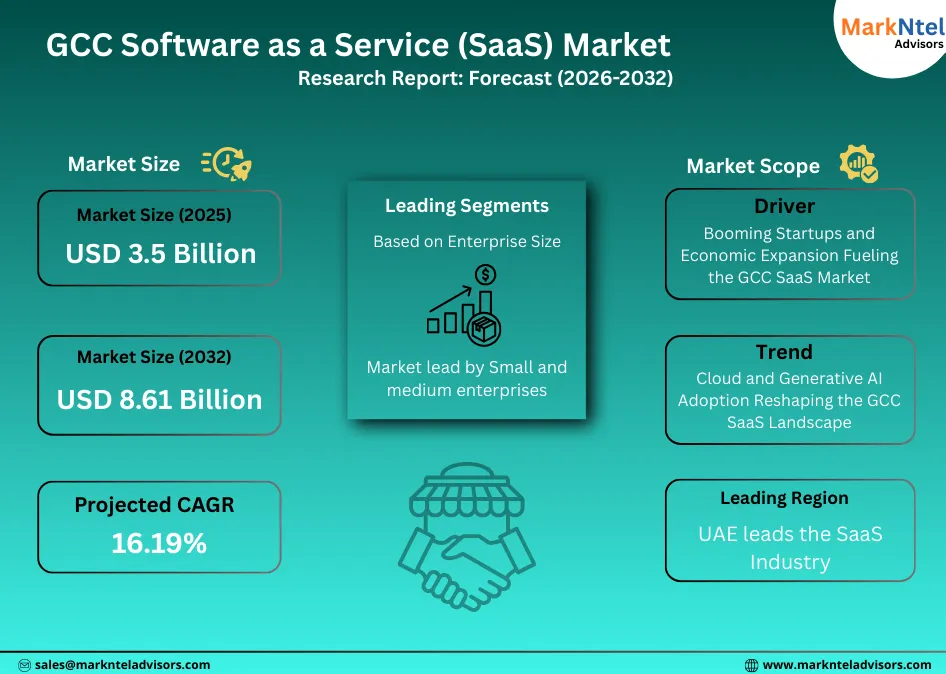
Essential Findings Within Latest Regional Market Analysis Reports
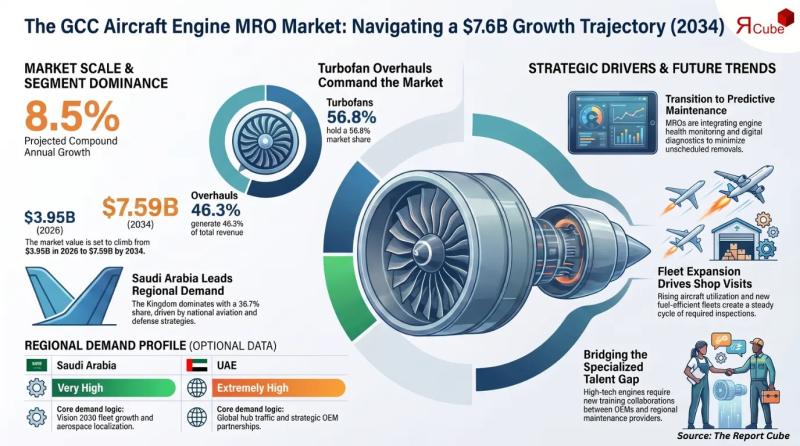
Boosting Dubai Industrial Expansion via Strategic Excellence
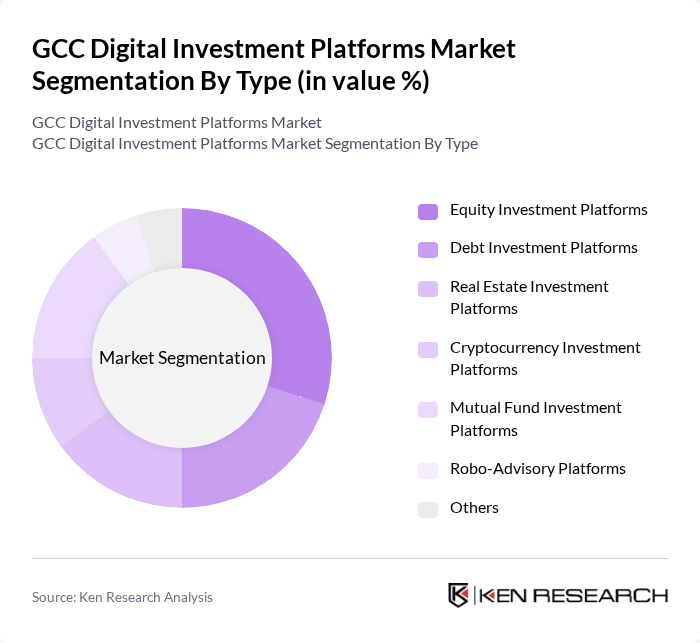
Will Dubai Lead Industrial Growth during 2026?
Latest Posts
Essential Findings Within Latest Regional Market Analysis Reports
Boosting Dubai Industrial Expansion via Strategic Excellence
Will Dubai Lead Industrial Growth during 2026?