All Categories
Featured


Driving Regional Corporate Expansion through Innovation
Table of Contents
El Houni asked the speakers to share what keeps them "on-point" at work and what advice they have for the audience. Hamad Al Hajri, CEO and Founder of Snoonu said it was "crucial to construct borders" between work and individual life and take brief holidays to "detach" from the workplace.
Karim Benkirane, CCO of Du, stated: "If you make the people you work with pleased, you will make the client delighted, who will then make the investors happy."Ambareen Musa, CEO for Revolut GCC, stated the ability to "not worry" is the crucial to discovering a solution for problems.
This week, we're convening more than 3000 conferences between financiers and 119 Gulf-listed business with a combined value of $2.4 trillion at the HSBC GCC Exchanges Conference 2026, in London. We're bringing together financiers, business, exchanges, and policymakers to discuss what is changing in the area, and what follows, consisting of the growth and ongoing advancement of the Gulf's capital markets, and the area's growing role in global networks of capital and trade.
Saudi Arabia and UAE are poised to lead the Gulf area's economic growth in 2026, supported by strong private-sector performance, resistant domestic demand and renewed financial investment momentum, according to the current ICAEW Economic Insight Q4 2025 report, produced by Oxford Economics. The GCC is anticipated to outshine most worldwide regions peers next year, with local GDP projection to grow by 4.4%. Across the GCC, non-energy activity is predicted to broaden by 4.1% in 2026, driven by strong labour markets, improving credit conditions and increasing investment in technology and AI-related facilities.
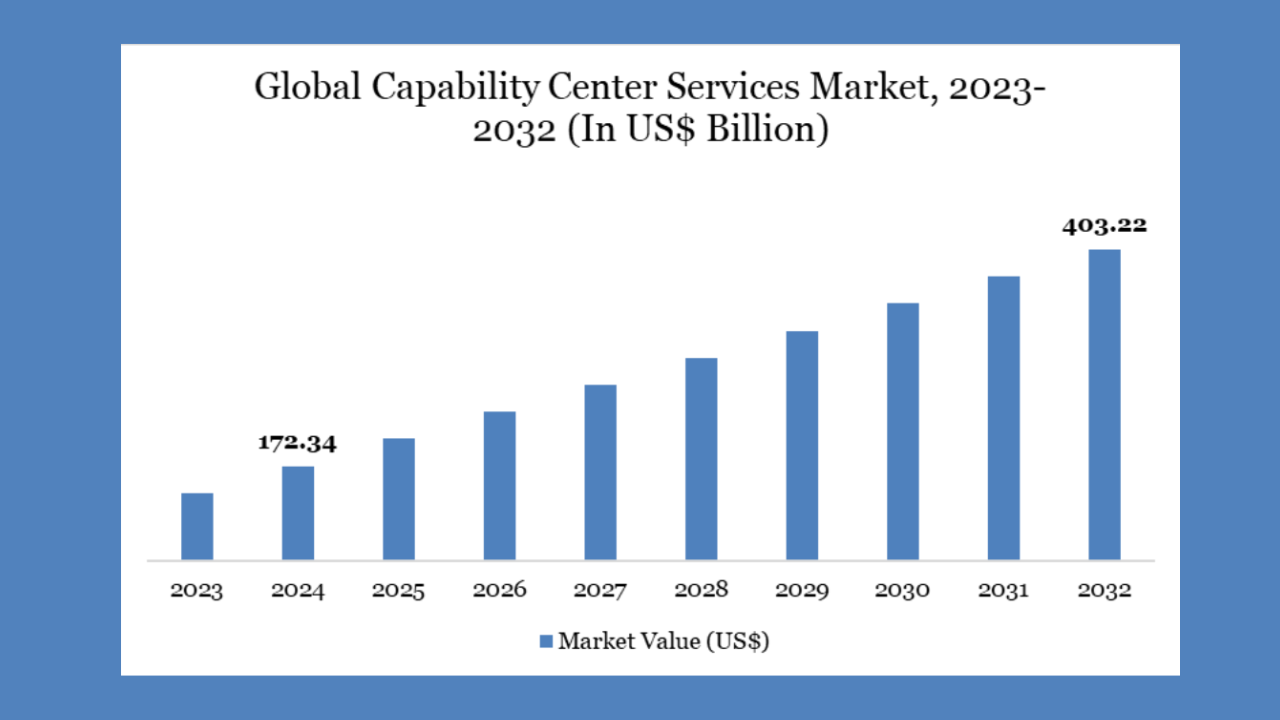
Will Market Research Drive Middle East Corporate Growth?
Although oil revenues will be under pressure in the first half of 2026, production is anticipated to rise once again in the 2nd half of 2026, supporting the region's medium-term outlook, it specified. Saudi Arabia will remain a significant factor to GCC momentum, with GDP forecast to grow 4.3% in 2026.
Development will be supported by commercial expansion and policy reforms, including relieved foreign ownership guidelines that intend to promote additional financial investment. The financial deficit is predicted to widen to 5.6% of GDP next year amid softer oil rates, while the current five-year rent freeze in Riyadh intends to ease inflationary pressures, though it may constrain future housing supply.
Strong domestic fundamentalsThe UAE is likewise positioned for another strong year of performance, with GDP projection to rise 5.6% in 2026 as non-oil sectors continue to expand. Tourist, trade and monetary services stay essential development motorists, supported by population development and sustained domestic demand. Dubai's economy grew 4.4% in the very first half of 2025, showing broad-based non-oil strength.
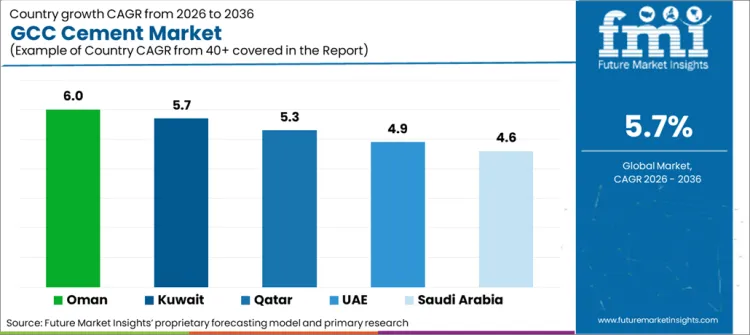
Oil production is anticipated to pick up once again in the 2nd half of 2026, complementing continuous financial investment in facilities, innovation and worldwide trade collaborations. Hanadi Khalife, the Head of Middle East, ICAEW, said: "This quarter's outlook reinforces how far the GCC has can be found in building diverse, resistant and worldwide competitive economies.
Scott Livermore, ICAEW Economic Advisor, and Chief Financial Expert and Handling Director, Oxford Economics Middle East, stated: "Saudi Arabia and the UAE are going into 2026 with strong structures. Saudi non-oil activity is gaining speed, supported by robust need and increasing financial investment, even as financial pressures increase.""The UAE continues to take advantage of solid domestic basics, a sharp uplift in federal government costs and sustained diversity efforts.
How to Maintain a Competitive Edge in Dubai
GCC countries are pivoting towards a technique of 'strength over expansion' going into 2026, as the area gets ready for a global landscape specified by softer oil costs, geopolitical fragmentation, and the rapid transition to an AI-enabled economy. According to a brand-new regional outlook by PwC, the GCC is transferring to insulate its development from external shocks by deepening worldwide trade combination, securing industrial supply chains, and carrying out a decisive shift from innovation ambition to functional implementation.
Why Data Redefines GCC Enterprise VisionSettlements for Free Trade Arrangements with China, the EU, and Japan are advancing, while talks with the UK have actually gone into last drafting phases. The region is significantly positioning itself as a central hub for east-west trade through the IndiaMiddle EastEurope Economic Passage (IMEC). To support domestic manufacturing, securing critical minerals has ended up being a strategic concern.

Table of Contents
Latest Posts
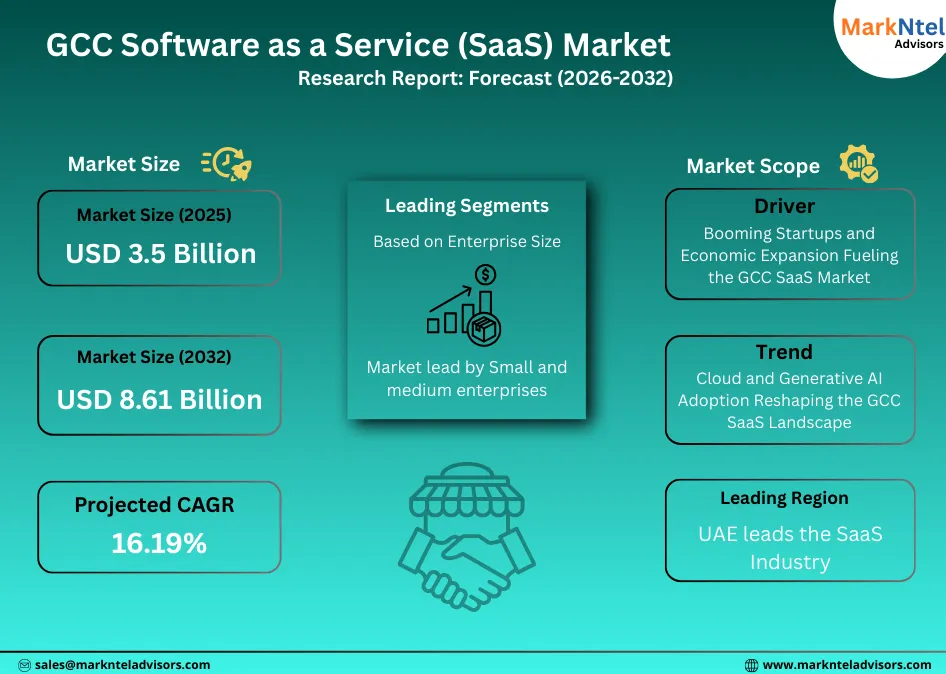
Essential Findings Within Latest Regional Market Analysis Reports
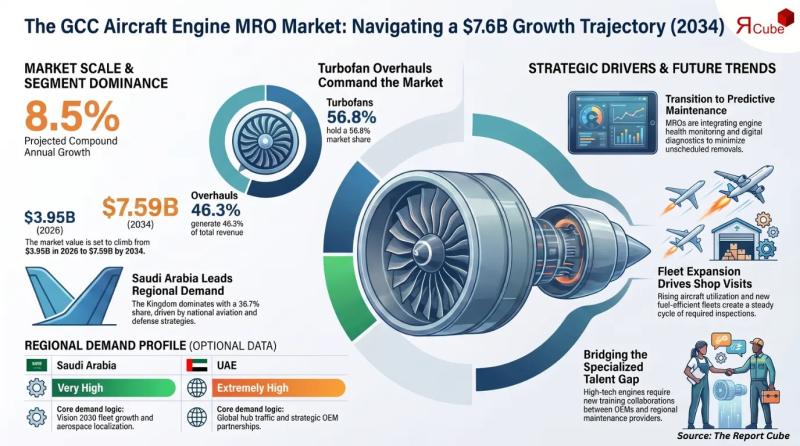
Boosting Dubai Industrial Expansion via Strategic Excellence
Will Dubai Lead Industrial Growth during 2026?
Latest Posts
Essential Findings Within Latest Regional Market Analysis Reports
Boosting Dubai Industrial Expansion via Strategic Excellence
Will Dubai Lead Industrial Growth during 2026?